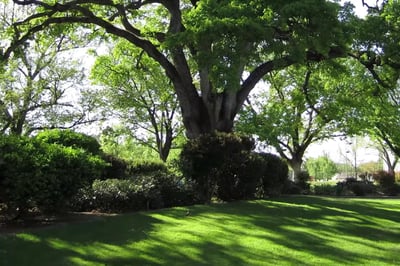


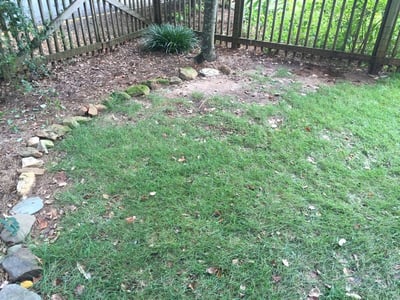


You own a shady yard and have a dog (or several) — and you’re wondering if a lush lawn is even possible. This guide walks you through why dogs and shade cause lawns to struggle, then lays out real-world solutions for grass for shade with dogs. You’ll learn which grass types stand up best to low light and pet wear, how to manage shade and dog traffic, and what alternate landscaping approaches can save your sanity (and your shoes from bare muddy dirt).
Shade and Dogs are Double-Teaming Your Lawn
A common question we hear is, "I have heavy shade and big dogs, is there a pet-friendly lawn for shade?"
Seems that we want three mutually exclusive things: dogs, shade, and a fantastic lawn. Myself included - I want these things too!
An active dog and heavy shade are a tough combo for growing a lawn. Can you guess the winning team? Often it's the shade and dogs, yet there is hope, so read on for Super-Sod's advice about the best sod for dogs and shade.
Why Lawns Often Fail in Shady, Pet-Heavy Yards
Why can’t we outscore dogs and shade? Dogs cause challenges for lawns in two ways:
- Their urine will cause patches of grass to die (due to lactic acid) or green up more than surrounding areas (due to nitrogen). We recommend this article about the causes of "urine patch" from NC State Cooperative Extension Service.
- As creatures of habit, dogs wear down paths along fences or on their favorite routes across a lawn.
Dog urine can cause patches of grass to die. This is my neighbor's zoysia - I saw the deed happen! (For the record, it wasn't my dog that did this.)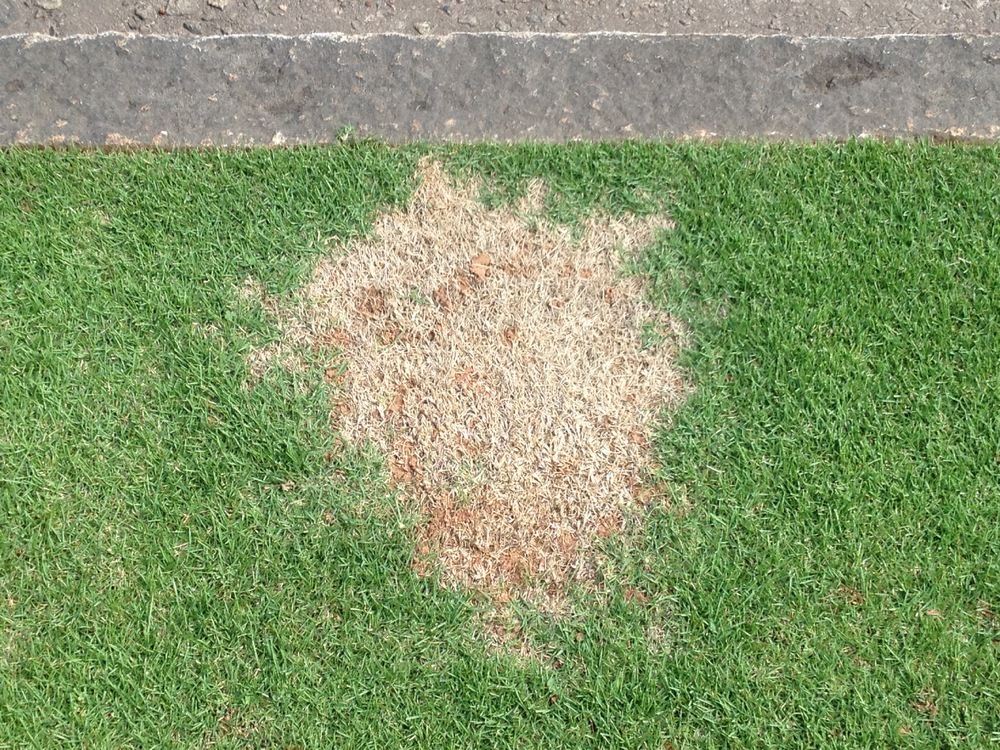
Shade is challenging for lawns because most turfgrasses are from sunny ecosystems and require full sun to thrive and form the plush carpets of grass we desire. When grown in shade, grass doesn't get the light it needs, so it thins out. Some types of turfgrass are more shade-tolerant than others, and we talk about them in our video explaining Shade and Turf.
Dogs and deep shade are a double whammy – all the above factors come into play, plus the fact that in deep shade, a warm-season lawn that will usually repair itself from dog damage simply doesn’t have the vigor required to fill in and repair itself.
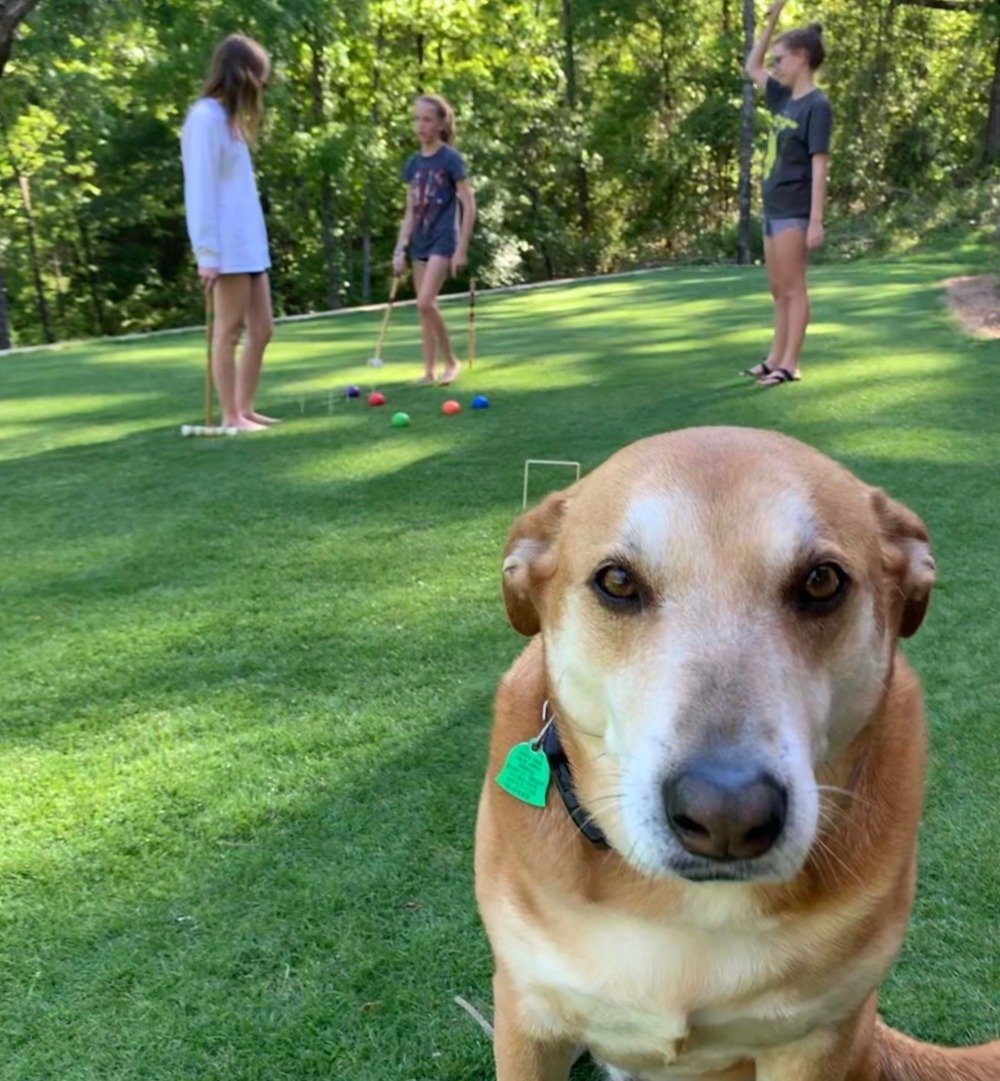
TifTuf Bermuda has worked wonderfully for a dog day care with shady areas. 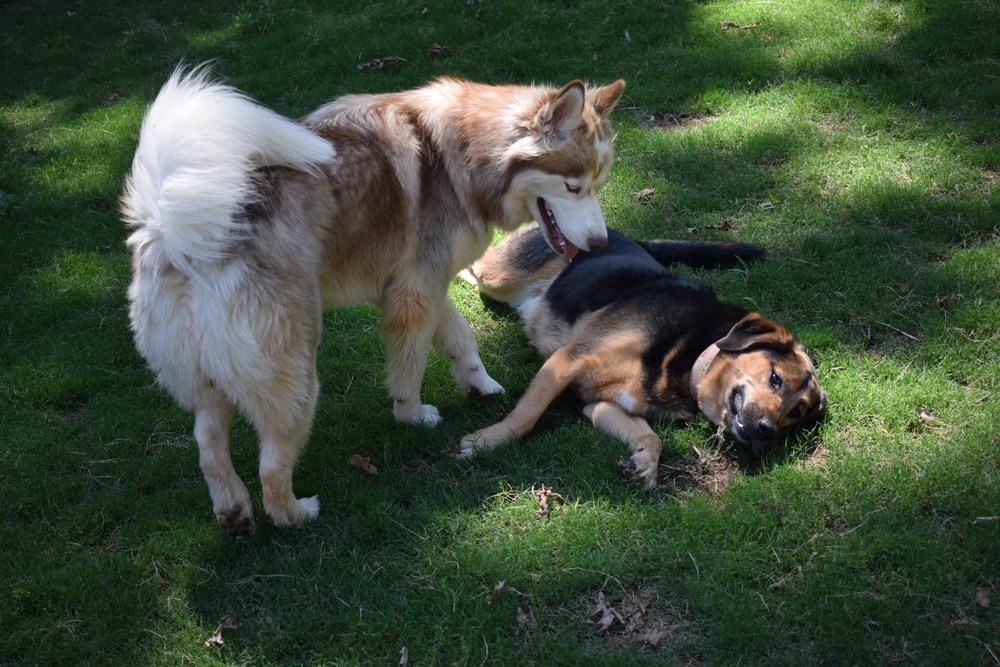
Shady Lawn Care and Dog Maintenance Strategies
After two decades of problem-solving and pushing my luck with the dogs/shade scenario, I have a few shady yard lawn care solutions for dogs owners. Pick those you can balance with your lifestyle of loving dogs, shade, and lawns. Here are our tactics to win!
- Choose a warm-season grass for shady dog yards because warm-season lawns have the special ability to repair themselves when they are growing during the warm months (they are dormant in winter). Bermudagrass, Centipedegrass, and Zoysiagrass all spread via runners (stolons and rhizomes) that will vigorously fill in areas damaged by dog urine or worn thin by dog traffic. Note: St. Augustinegrass has only the above-ground stolons, so it does not hold up to dog traffic as well as the other types.
These kids play sports and lawn games while Handsome the dog romps around, yet this TifTuf Bermuda lawn remains green and beautiful.
- Avoid winter damage. Keep in mind that a warm-season lawn will only repair itself when actively growing. That means it won’t be able to repair itself during the winter, when it’s brown and dormant (i.e., not growing). It may be necessary to take your dog on walks during the dormant winter, rather than expecting them to burn off their energy on your lawn.
- Reduce the amount of shade by removing some trees or big limbs to give the lawn more sunlight. If you can ensure the area gets at least 5 hours of sunlight, then the shade-tolerant lawn grasses TifTuf Bermuda, TifBlair Centipede, and Zeon Zoysia will grow well there. Zeon Zoysiagrass shade tolerance surpasses them all, requiring only 4-5 hours of direct sunlight per day. Here are our tips on reducing the amount of shade on your lawn: Why it's Hard to Grow Grass in the Shade and Steps You Can Take.
- Give the grass a break! An active dog will create paths that remain visible unless the dog is kept off that area for 1-3 months, allowing the warm-season lawn to grow and fill in the damage, repairing itself. The dog will wear down those paths again, so this is a temporary solution, say, if preparing your garden for a party or wedding.
- Fertilize your lawn. During the break and repair phase (as described above), regular fertilization, coupled with extra watering of the grassy perimeter around bare areas, will promote active growth and help the runners grow into and repair the bare areas more quickly. We also recommend topdressing with Soil³ compost in place of one fertilizer treatment - this will improve compacted soils and add natural nutrients.
- Rinse and repeat. Monitor where the dog is peeing and rinse the spots immediately with running water to dilute the urine. I did this for my Zoysia lawn when I put the house up for sale. It was a considerable effort, but it worked to keep my dog's urine from killing patches.
- Are you a loyal fan of Team Tall Fescue? If so, remember that Tall Fescue grows in clumps, rather than via stolons and rhizomes, and will not repair itself. However, we recommend reseeding Tall Fescue lawns every autumn anyway, so there's already a routine of renovation in place for Tall Fescue dog lawns.
- Replant traffic-worn sod:
- To repair those dog paths, you can lay rolls of sod along them to instantly get them covered. Repairing patches is one of the reasons why we sell sod by the individual roll.
- We know a few folks who think of sod like an annual planting. When their sod declines in their shaded yard, they replace their thinning and struggling sod with new sod. New sod has enough energy reserves to last several years in the shade.
Sloan is showing off his Zenith Zoysia turf.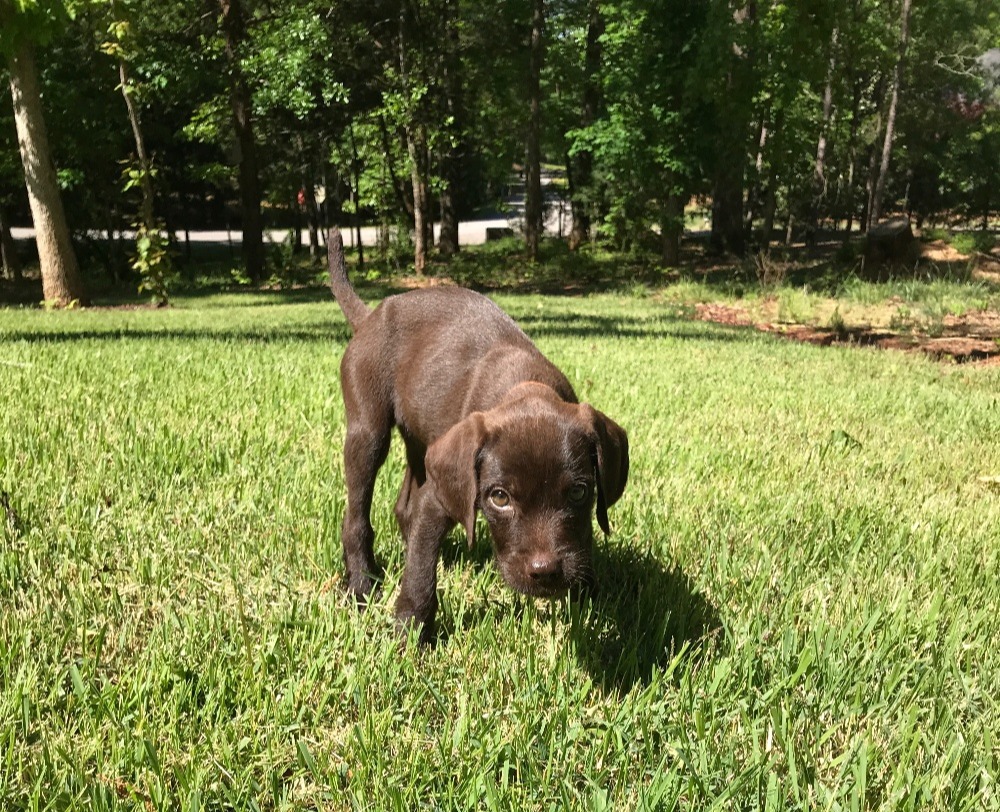
Blu sees a lush future overseeding Tall Fescue lawns every autumn.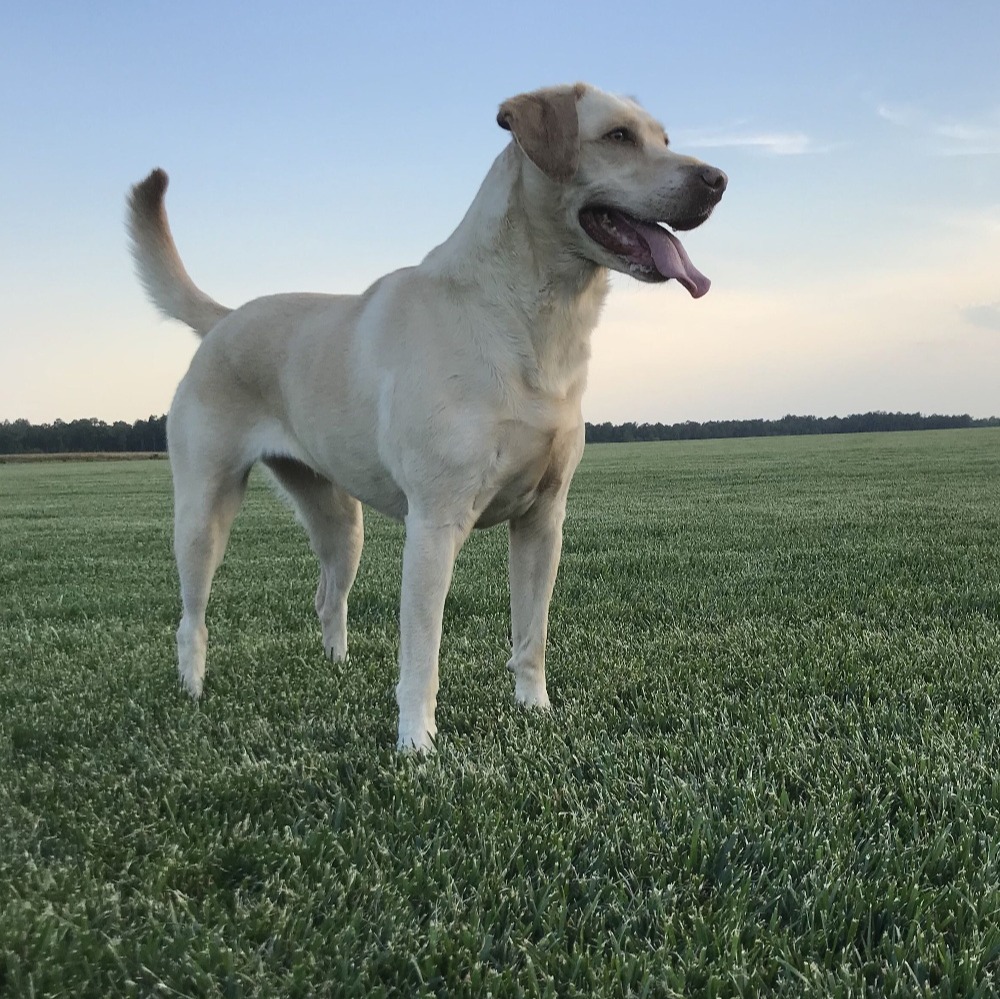
Barbara's dog loves her new Zeon Zoysia lawn!
Landscape Alternatives When Grass Isn’t Viable
Sometimes dogs, shade, and lawns simply can’t cohabit.
When that's the case, we advise against any lawn because a full canopy of shade is the happy home of several large, vigorous canines. By now, we know the winning team: Shade and Dogs.
If you can’t beat them, join them! Here are our alternatives for creating a shade- and pet-friendly yard.
- Mulch 3-4 inches deep with shredded hardwood mulch (instead of having a lawn) to keep down the mud. Mulch again as needed; that could be at least once a year, depending on your climate and your dog activity.
- Plant a groundcover like monkey grass or Asiatic jasmine - most other herbaceous perennials will not withstand the trampling. Alternatively, plant shade-loving shrubs that are more likely to withstand the dogs running around. Learn more about shady groundcovers in our blog, Is Your Yard Too Shady for Lawn Grass?
- Create a dedicated dog area or “dog run.” Most dogs tend to use only part of a landscape – they pick their favorite areas and gravitate toward them. Observe where your dog hangs out and let her tell you where she prefers. Let her have that area and build a fence to keep her out of the lawn areas you’d like to perfect. There are many lovely fence designs and the fence can be installed as a “design element” or focal point of your outdoor living space. When you’re there to monitor her activity, she can be in all areas of the garden with you.
- Similar to a dedicated dog run, train your best friend to go someplace remote (other than the lawn) to relieve themselves.
- We're seeing a growing trend in customers purchasing a few rolls at a time to make dog potties. In conversations we've learned that cheap kiddie pools are handy for lining with sod and getting man's best friend to "go" in there.
- So, this is not exactly a landscaping tip, but if you're looking for a new canine pet, get a male. Why? Males hike a leg to pee on the bushes, while females squat to urinate all over your lawn (as shown in the cone-shaped damage in the first picture).
We’d like to hear more tactics to beating dogs and shade and repairing lawns damaged by dogs and shade. I know there are some clever ones out there . . . your friends and I would like to hear them!
Who are the dogs in these pics? Six of them are employees' pets, so we introduced them by name. We love our pups. Disclaimer: These dogs may or may not get to pee on their lawns. I didn't ask. No pets were interrogated or shooed of the lawn in the making of this article.
Daisy is looking forward to hearing your tips & tricks!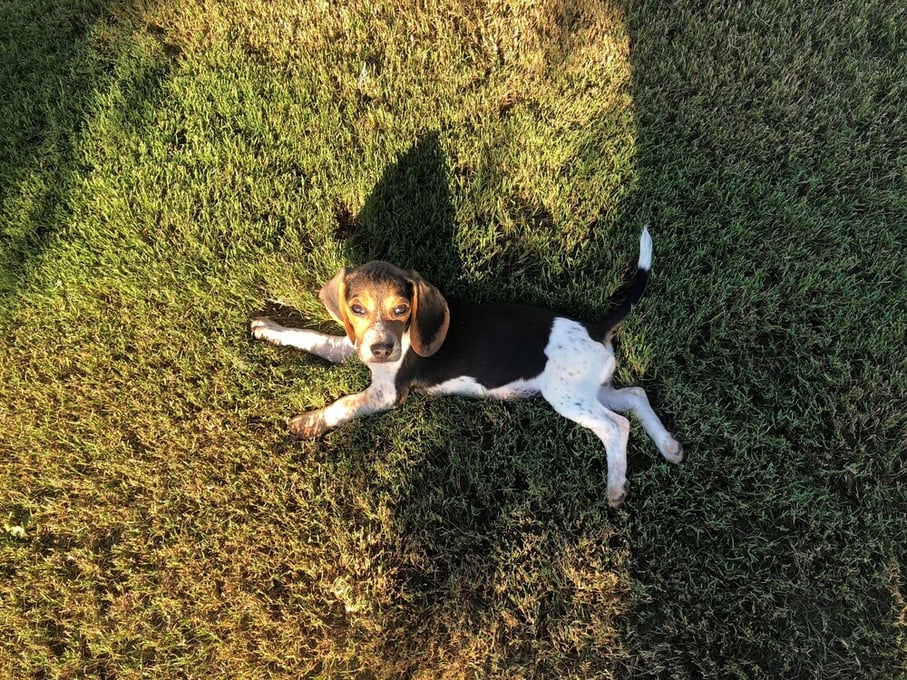
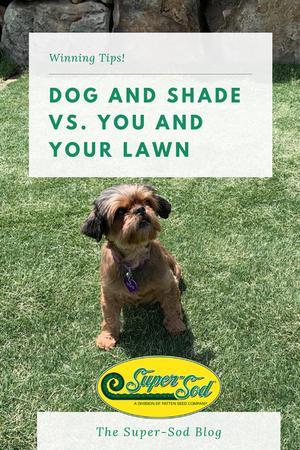
Cricket enjoying one of our lawn displays at a Super-Sod store.