


Today we'll cover the persistent questions about how to fertilize new sod, such as how much fertilizer is needed and when. We'll address fertilizing new Bermuda, Centipede, Zoysia, St. Augustine, and Tall Fescue sodded lawns.
Should You Fertilize New Sod?
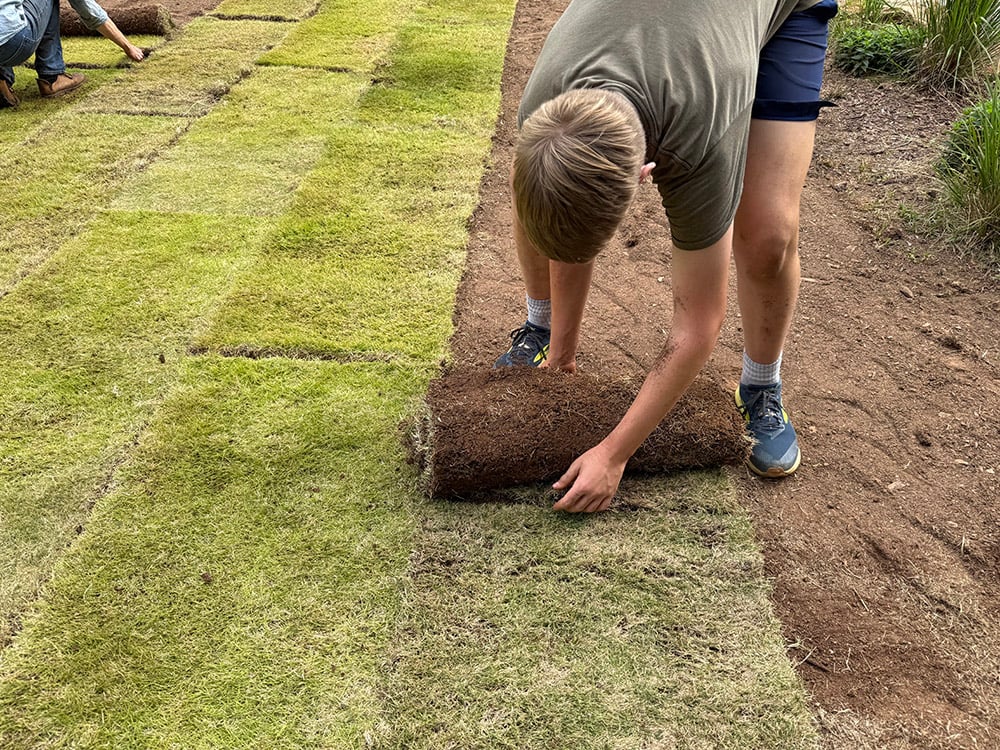
When you lay new sod, it’s already mature grass, but the roots have mostly been cut off. What’s left are very short and shallow roots. The roots quickly start to grow back as long as the new sod is kept moist.
Some grasses take longer to root than others, but usually sod is rooted and tacked down within two weeks; then it will take several more months for the roots to grow deeply and for the seams to fill in.
Do new sod and new roots need fertilizer at all these stages? You bet they do!
Fertilize Before Laying New Sod
Start with the Soil Before You Lay Sod
Healthy soil gives new sod the best chance to root quickly, but before amending your soil, we recommend conducting a soil test. The soil test will give you the feedback you need to correct any glaring issues right from the start, and it may save you some money; for example, if the pH does not need to be raised, there is no need to add lime.
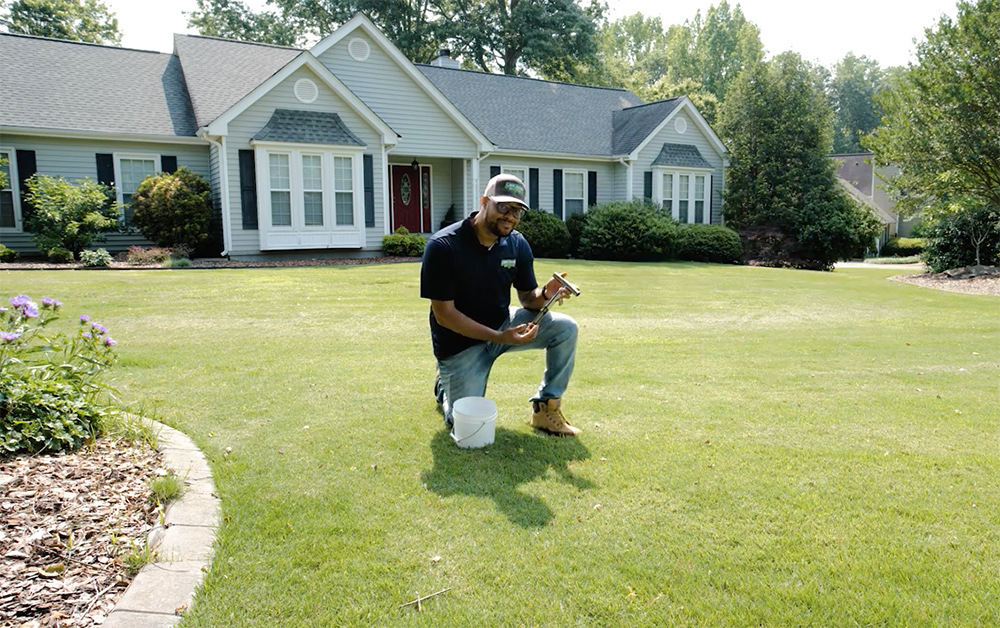
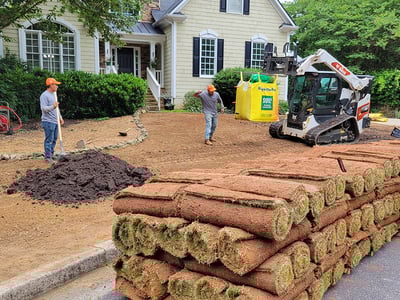
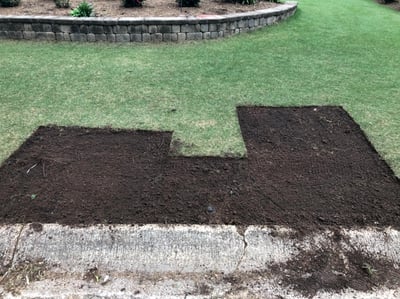
Typically, soils need to be prepared with starter fertilizer, lime, and compost amendments before the first sod roll is laid down.
Soil Amendments for New Sod:
-
Compost builds good soil structure, balances soil water and drainage, introduces beneficial soil microorganisms, and adds natural nutrients. Read about How to Prepare Your Lawn for Success with Compost
- A starter fertilizer is designed to support new grass establishment using nutrients that encourage root development.
-
Limestone (a.k.a. lime) raises the pH of acidic soils that are especially common in Southern soils (clay and sand) around new building construction. Lime is a critical factor addressed in soil tests.
-
Lime is often necessary for Tall Fescue sod
-
Lime is usually unnecessary for Centipede sod, since Centipede thrives in acidic soils
-
The acidic/alkaline needs of other lawn grasses are a little more flexible and can be looked up in our article all about soil pH: Why Lawn pH Matters - Testing & Adjusting Soil pH for a Healthy Yard
-
Before you even order your sod, conduct a soil test so you know which of these amendments to order, or not.
What Kind of Fertilizer is Best for New Sod at Installation?
For new sod, a starter fertilizer is often the best choice at installation.
Starter fertilizers typically contain phosphorus, a nutrient that supports root growth. This can be helpful while sod is trying to root into the soil. However, phosphorus needs vary by soil, and some lawns may already have enough. That is another reason a soil test is so useful.
These are the starter fertilizers that we recommend:
- For new Centipede lawns, always choose 5-10-30 fertilizer because it's safely low in nitrogen for this sensitive lawn
- For Bermuda, Zoysia, and St. Augustine sod, use 5-10-30 or 18-24-12 starter fertilizers. Here's our nitrogen rule of thumb: choose low-nitrogen 5-10-30 when the lawn is dormant; high-nitrogen 18-24-12 is okay when the new sod is green. (Nitrogen is the first number in fertilizer ratios, so for 5-10-30, the 5 represents low nitrogen, so it's safe for dormant warm-season sod.)
- For new Tall Fescue sod, we recommend 18-24-12 fertilizer for new Tall Fescue sod installed during the cool months of fall through mid-spring.
- For all new sod installed from July through first frost in autumn, we recommend a fertilizer/insecticide combo to protect your tender new sod from fall armyworms.

After your sod is established, you can move to a regular lawn fertilization schedule based on your grass type and the time of year. Look them up in our Maintenance Guides.
Avoid applying a heavy dose of high-nitrogen fertilizer immediately after installation unless it has been specifically recommended for your lawn. Nitrogen encourages green blade growth, but new sod needs strong roots before it needs a big push up top.
When Should You Fertilize New Sod after Installation?
If you apply starter fertilizer, it is usually incorporated into the soil prior to installation so the nutrients are available as the sod begins rooting.
After installation, wait until the sod has started to root before applying more fertilizer. A simple way to check is to gently tug on a corner or edge of the sod. If it lifts easily, the roots have not established yet. If it resists being pulled up, the roots have tacked down the new sod and are beginning to grow into the soil.
Many new lawns are ready for their next fertilizer application after they have rooted and been mowed three times. This gives the grass time to settle in before you start feeding it as you would an established lawn.
Your exact timing will depend on your grass type, the season, your soil, and local growing conditions.
When to Start a Regular Fertilizer Schedule
Once your new sod is rooted, has been mowed a few times, and is actively growing, you can begin treating it more like an established lawn.
At that point, follow a fertilizer schedule based on your grass type, region, and soil needs. Slow, steady feeding is usually better than trying to force quick results. A healthy lawn is built over time through proper watering, mowing, fertilizing, and seasonal care. Look up all these things in our Maintenance Guides.
Fertilizing New Warm-Season vs. Cool-Season Sod
Not all new sod should be fertilized on the same schedule.
Warm-season grasses, such as Bermudagrass, Zoysiagrass, Centipedegrass, and St. Augustinegrass grow most actively during warm weather. These grasses are typically fertilized during their active growing season of spring through summer, not when they are dormant in winter.
Cool-season grasses, such as Tall Fescue, grow more actively in cooler weather. Their fertilization schedule is different from warm-season grasses and should be timed around their best growing periods.
This is why it is important to choose fertilizer timing based on your specific lawn. The right product and schedule for Bermudagrass is the same as for Tall Fescue or Centipedegrass.
Fertilizing Schedule for New Sod
Look up complete fertilization schedules and rates for your grass type in our Maintenance Guides.
If you are unsure which fertilizer to use, ask your local Super-Sod store for a recommendation based on your grass type and location.
|
Grass Type |
Seasons |
Months to Fertilize |
|
Tall Fescue |
Cool-Season | September to April |
| Bermuda | Warm-Season | April to August |
| Centipede | Warm-Season | April to August |
| Zoysia | Warm-Season | April to August |
| St. Augustine | Warm-Season | April to August |
Watering New Sod After Fertilizing
Watering is just as important as fertilizer when establishing new sod.
New sod must stay consistently moist while the roots grow into the soil. If the sod dries out, it can struggle to root, even if fertilizer was applied correctly.
Read: How to Water New Sod During Root Establishment
If fertilizer is applied, it should be watered in according to the product directions. This helps move nutrients into the soil and reduces the chance of fertilizer sitting on the grass blades.
During the first few weeks after installation, pay close attention to moisture. The sod and the soil underneath should not be allowed to dry out. Once the sod is rooted, you can gradually transition to a deeper, less frequent watering schedule that encourages stronger roots.
Do Not Fertilize Stressed New Sod
If your new sod is brown, dry, wilted, or not rooting well, fertilizer may not be the answer.
Fertilizing stressed sod can sometimes make the problem worse. Before feeding, look at the basics: Is the sod getting enough water? Is it making good contact with the soil? Are there gaps, air pockets, or drainage issues? Was it installed during extreme heat?
Correct those problems first. Fertilizer works best when the grass is actively growing and able to use the nutrients.
Common New Sod Fertilizer Mistakes
One of the most common mistakes is fertilizing too heavily right after installation. More fertilizer does not mean better results. Too much can burn the grass or push growth before the roots are ready.
Another mistake is skipping soil preparation. Fertilizer cannot fix compacted soil, poor grading, or bad soil contact. New sod needs a healthy base in order to root well.
It is also easy to fertilize at the wrong time of year. Grass type matters, and fertilizer should be applied when the lawn can actually use it. See our section above for seasonal fertilization of different lawn types.
Finally, do not forget that watering and mowing are part of the establishment process. Once the sod is rooted enough to mow, keeping it at the proper height helps the lawn thicken and stay healthy.
Look up the mowing schedule and height for your grass type in our Maintenance Guides.
FAQs About Fertilizing New Sod
Should I use starter fertilizer for new sod?
Yes, to support strong root development, use starter fertilizer when you lay new sod.
Can you fertilize new sod right away?
Use compost or starter fertilizer at installation. After the sod is installed, wait until it begins rooting before applying additional fertilizer, usually about one month after installation. Note: Be sure to use the right type of fertilizer for your type of lawn and season as explained above.
How do I know when new sod is rooted?
Gently tug on the sod. If it lifts easily, it needs more time. If it resists being pulled up, roots are beginning to grow into the soil.
What fertilizer is best for new sod?
A starter fertilizer is recommended for new sod because it supports root development, as detailed above. After establishment, use a lawn fertilizer that matches your grass type and season - look up your grass type in our Maintenance Guides.
Can too much fertilizer hurt new sod?
Yes, too much fertilizer can burn new sod or push excessive blade growth before the roots are established. Excessive blade growth can result in new sod drying out or being scalped by a mower.
Should I fertilize new sod if it is turning brown?
Browning new sod is often related to insufficient watering, heat stress, poor soil contact, or installation issues. Fix those problems before adding fertilizer.
Do I need a soil test for my new sod?
We always suggest conducting a soil test to determine how much lime or fertilizer your lawn needs.
Do I need to apply lime to my new sod?
Conduct a soil test because it will also tell you how much lime should be added, if it should be added at all, and at what rate.
Fertilizing New Sod – Now You Know
Fertilizing new sod is about helping your lawn establish strong roots, not forcing it to grow fast overnight.
Start with good soil preparation with compost, use lime and a starter fertilizer when appropriate, keep the sod consistently watered, and wait until the grass has rooted before moving into a regular fertilizer schedule. With the right care, your new sod will grow into a thick, healthy lawn that lasts.
Now that you know all about fertilizing brand new sod, here are more resources to read about fertilizing established lawns:
- Fertilizer Tricks for Centipede Lawns
- The Best Times to Apply Fertilizer
- How to Calculate Fertilizer Rates
- Why Lawn pH Matters — Testing & Adjusting Soil pH for a Healthy Yard
- Why Soil Testing is Important
- How to Conduct a Soil Test for Your Lawn
Going forward, subscribe to our Monthly Lawn Tips email for all the info you need to grow the lawn of your dreams.
Still have unanswered questions? Please ask them in the comments below!